
The Psychology of Gambling
Understanding the psychological mechanisms behind gambling can reveal why casinos are crafted to keep players engaged for extended periods. Casinos employ various psychological tactics, such as near-misses, reinforced rewards, and variable-ratio reinforcement schedules. For instance, the occasional near win can trigger the brain’s reward system, leading players to believe that they are close to winning, which compels them to keep playing at an instant cash out casino that offers quick payouts. This manipulation of player behavior is deeply rooted in the science of human psychology.
Moreover, the concept of loss aversion plays a crucial role in keeping players seated at the tables. Players tend to prefer avoiding losses more than acquiring equivalent gains. This built-in bias can lead gamblers to chase their losses, spending more time and money in hopes of turning their luck around. Casinos leverage this emotional pull by designing environments that encourage players to banish the thought of walking away.
The atmosphere itself is another psychological tool that influences behavior. A carefully curated ambiance—complete with exciting sounds, vibrant colors, and enticing scents—stimulates the senses, creating an immersive experience that can be hard to escape. By appealing to a player’s emotions and senses, casinos effectively heighten engagement, making it more challenging for individuals to leave once they start playing.
The Design of Casino Environments
The physical layout of a casino is meticulously designed to facilitate prolonged play. Strategic placement of gaming machines and tables aims to minimize distractions and create a sense of familiarity. Casinos often feature a maze-like structure that keeps players engaged in a flow of games, reducing the chances of realizing how much time they have spent there. This design fosters a continuous cycle of play, making it easier for individuals to lose track of time.
Moreover, the absence of traditional clocks and windows in casinos serves a deliberate purpose. Without time indicators, players can easily ignore their own schedules and lose track of hours spent playing. This intentional design choice enhances the immersive experience, allowing players to focus solely on their gaming activity without outside distractions. The absence of natural light and the presence of artificial lighting further contribute to this disorientation.
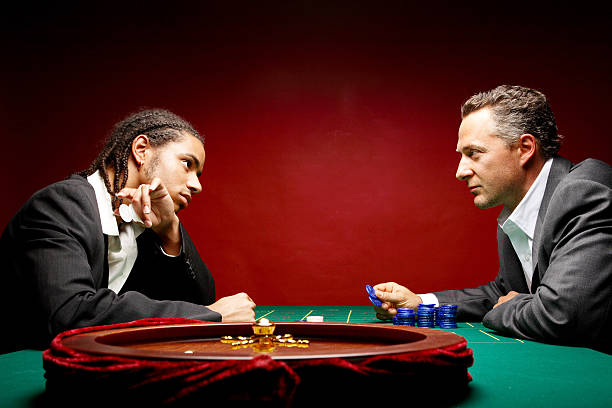
Additionally, the arrangement of games within casinos encourages continuous movement between different areas. High-energy game zones are often located nearby quieter spaces, enticing players to explore various gaming options. This seamless transition promotes prolonged engagement, as players may find themselves drawn from one game to another without thinking about taking a break. The environment is engineered to keep players engaged, making it much easier to spend longer periods inside the casino.
The Role of Rewards and Incentives
Casinos are well aware that the allure of rewards plays a significant role in encouraging players to keep wagering. Various incentives, from loyalty programs to complimentary drinks and meals, are designed to create a sense of value that players cannot resist. For example, membership programs often reward players with points based on their gambling activity. The more they play, the more points they earn, making them feel appreciated and fostering a desire to continue playing to reach the next tier of rewards.
Additionally, the concept of “free” offerings, such as beverages and snacks, adds another layer to the strategy. While players sip on complimentary drinks, they may feel more relaxed and inclined to spend more time at the gaming tables. However, these seemingly free offerings are calculated investments by casinos, as they collect significantly more revenue from the duration of play than the cost of refreshments.
The use of jackpots and progressive slot machines also serves as a key motivator for players. The allure of potentially life-changing payouts leads many to invest considerable time trying to hit that big win. The larger the jackpot, the more players are motivated to stay and invest more money, believing they hold the key to unlocking those riches. Casinos create a culture of chasing these rewards, ensuring that patrons remain engaged for as long as possible.
The Influence of Social Interaction
Another essential element of casino design revolves around social interaction. Many players are drawn to the excitement and camaraderie found in group settings, whether at poker tables or slots. Casinos are designed to encourage interaction among patrons, from seating arrangements that promote conversation to designated areas for spectators. This social dynamic fosters a community feel, making it more likely that players will lose track of time while engaging with others.
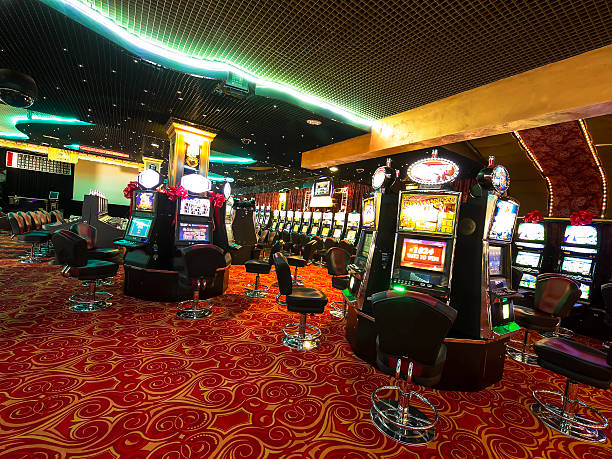
The role of dealers and staff also enhances the social experience. Friendly interactions and personalized service can create a welcoming atmosphere that encourages players to remain longer at the tables. For example, dealers often engage players in conversation, offering tips and celebrating wins. This sense of belonging can be a compelling motivator for people to stay and play, as they appreciate the social connections they forge within the gaming environment.
Moreover, the advent of technology has enhanced the social aspect of gaming in casinos. Many establishments are now incorporating advanced gaming systems that allow players to connect with friends or strangers, even during solo play. This blend of technology and social interaction transforms the gambling experience into a shared journey, subsequently increasing the amount of time an individual is willing to spend in the casino.
Enhancing Your Casino Experience
Understanding the intricacies of casino design can profoundly enhance how you approach your gaming sessions. With awareness of these strategies, players can better evaluate their time and spending habits while enjoying their experience. It’s essential to set limits on both time and budget before entering a casino to avoid falling into the enticing traps of prolonged play. Each individual can enjoy gaming responsibly while still engaging in the excitement that casinos offer.
Moreover, players should focus on enjoying the entertainment aspect of gambling rather than merely chasing wins. By viewing visits to casinos as a source of leisure rather than a financial pursuit, individuals can ensure they savor the experience without succumbing to the pressure of extending their playtime unnecessarily. This mindset encourages a healthier relationship with gambling and mitigates the risk of problem gambling.
Ultimately, casinos are designed to captivate and engage players for extended periods. By being informed and aware, players can navigate these enticing environments with a sense of control and appreciation, enjoying everything a casino has to offer without falling prey to its many psychological and design tactics.