
The psychology behind why we gamble Understanding the allure of risk and reward
The thrill of uncertainty
The unpredictability of gambling is a significant factor that captivates many individuals. This uncertainty creates a psychological response that is both exhilarating and addictive, particularly when playing at a site like PrimeSpielhalle Casino. When players place bets, they often experience a rush of adrenaline, similar to other high-stakes activities. This thrill can lead to a sense of euphoria, especially when wins occur, reinforcing the behavior through the release of dopamine in the brain. The anticipation of a potentially life-changing win keeps players returning for more, even if the odds are against them.
Moreover, uncertainty plays a vital role in shaping our perceptions of risk. Humans are naturally drawn to challenge and adventure, which gambling provides in abundance. This desire for excitement can often override rational thought, leading individuals to gamble despite knowing the potential for loss. The brain’s reward system becomes activated, making the possibility of winning feel more tangible and appealing, thus deepening one’s engagement with the activity. Over time, this excitement can morph into a habitual behavior that is hard to break.
In addition, the thrill of uncertainty often leads to cognitive biases, where players may misinterpret results. For instance, someone might believe they are “due” for a win after a series of losses, falling victim to the gambler’s fallacy. This belief can perpetuate the cycle of gambling as individuals chase their losses, further entrenching their addiction. The interplay between thrill and cognitive biases significantly contributes to why many feel compelled to gamble, even when faced with negative outcomes.
The psychology of reward
The concept of reward is central to the psychology behind gambling. When individuals win, they experience a surge of positive emotions that reinforce the behavior. This reward system is deeply rooted in human biology; the brain releases dopamine, a neurotransmitter associated with pleasure and motivation. Each win, regardless of size, acts as a reinforcement, encouraging the player to continue engaging in the activity. This reward cycle creates a powerful connection between gambling and gratification, further entrenching the habit.
Additionally, the types of rewards in gambling vary widely, catering to different preferences and desires. Some players are drawn to the allure of jackpots, while others may prefer the strategic elements found in games like poker. This diversity allows casinos and online platforms to appeal to a broader audience, each drawn by their unique understanding of reward. The possibility of winning massive payouts can overshadow the realities of loss, creating a skewed perception of the odds and leading players to gamble more frequently.
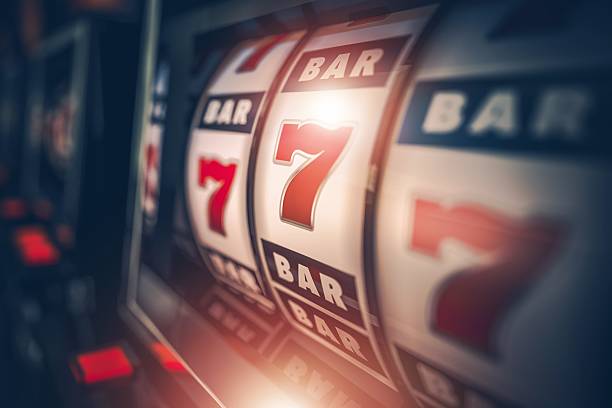
Moreover, the psychological impact of near-wins significantly influences gambling behavior. When players experience a near-miss—like spinning a slot machine and landing just shy of a jackpot—they may feel a rush that can be just as rewarding as an actual win. This phenomenon, known as the “illusion of control,” can lead to increased engagement as players continue to chase the feeling of a potential win. Thus, the psychology of reward plays a crucial role in sustaining gambling behavior, making it a powerful tool for casinos and online gaming platforms.
The social aspect of gambling
Gambling is not just an individual pursuit; it often involves a social dimension that enhances its allure. Many people enjoy the camaraderie found in casinos or online platforms where they can engage with others. This social interaction can amplify the excitement associated with gambling. Friendships are formed over shared experiences, and the collective thrill of winning can lead to a euphoric atmosphere that draws people in. Social gambling also brings with it a sense of belonging, which can be incredibly appealing.
Additionally, the rise of online gaming has transformed the social dynamics of gambling. Platforms now offer interactive features like live chats and multiplayer games, allowing players to connect globally. This social engagement can make gambling feel less solitary, fostering a community around the shared thrill of gaming. As individuals participate in these online interactions, they may be less likely to recognize the potential risks, leading them to gamble more without considering the consequences.
Furthermore, social pressure can also play a significant role in gambling behavior. Individuals may feel compelled to participate in gambling activities to fit in or impress peers. This influence can lead to decisions driven by social dynamics rather than personal choice, making it challenging for some to set limits. The intertwining of social interaction and gambling underscores its complexity and provides insight into why many are drawn to the thrill, even when aware of its risks.
The impact of marketing and design
Marketing strategies and design elements in casinos and online platforms are meticulously crafted to attract and retain players. From the flashing lights of slot machines to the enticing graphics of online games, these features are designed to stimulate and captivate. This intentional design is not merely aesthetic; it serves to amplify the excitement associated with gambling, drawing players into an immersive experience. The combination of sound, visuals, and atmosphere works synergistically to create an environment that encourages prolonged engagement.
Additionally, marketing campaigns often leverage psychological triggers, such as the fear of missing out (FOMO) and exclusivity. By promoting limited-time offers or unique game features, casinos create a sense of urgency that can compel individuals to gamble. This strategic approach capitalizes on human psychology, encouraging players to act impulsively rather than rationally. Over time, these marketing tactics can normalize gambling behavior, leading individuals to partake more frequently.
Moreover, the allure of promotions and bonuses plays a significant role in attracting new players. Many online casinos use enticing offers to entice users, promising substantial rewards for minimal risk. This can create a false sense of security, where individuals believe they can win without serious consequences. This blend of marketing strategies and psychological manipulation effectively heightens interest and participation, making it essential for players to approach gambling with caution.

Exploring the world of online gaming
In the realm of online gaming, platforms like PrimeSpielhalle Casino exemplify the intersection of entertainment and psychology. With an extensive array of games, players can explore various gambling experiences from the comfort of their homes. The user-friendly interface and vibrant graphics create an engaging environment that draws users in, reinforcing their desire to gamble. This platform emphasizes security and fair play, instilling trust while providing an exhilarating experience.
Moreover, PrimeSpielhalle Casino offers a plethora of promotions designed to enhance the gaming experience. From bonuses to special events, these incentives cater to the psychological motivations of players, encouraging them to return frequently. The blend of risk and reward remains at the forefront of the gaming experience, making it a compelling choice for those seeking thrills. The array of options allows users to tailor their experience to match their preferences, further enhancing engagement.
In conclusion, the psychology of gambling is multi-faceted, encompassing aspects of thrill, reward, social interaction, marketing, and platform design. As players navigate these dimensions, they often find themselves entangled in the captivating allure of risk and reward. Online gaming platforms, such as PrimeSpielhalle Casino, capitalize on these psychological elements, providing an environment where excitement and community converge, making it essential for players to be aware of their motivations and the potential risks involved in gambling.